

Hardware Innovation
Standalone Hands-Free Solutions
Discover how standalone Android smart glasses improve productivity across industrial environments.
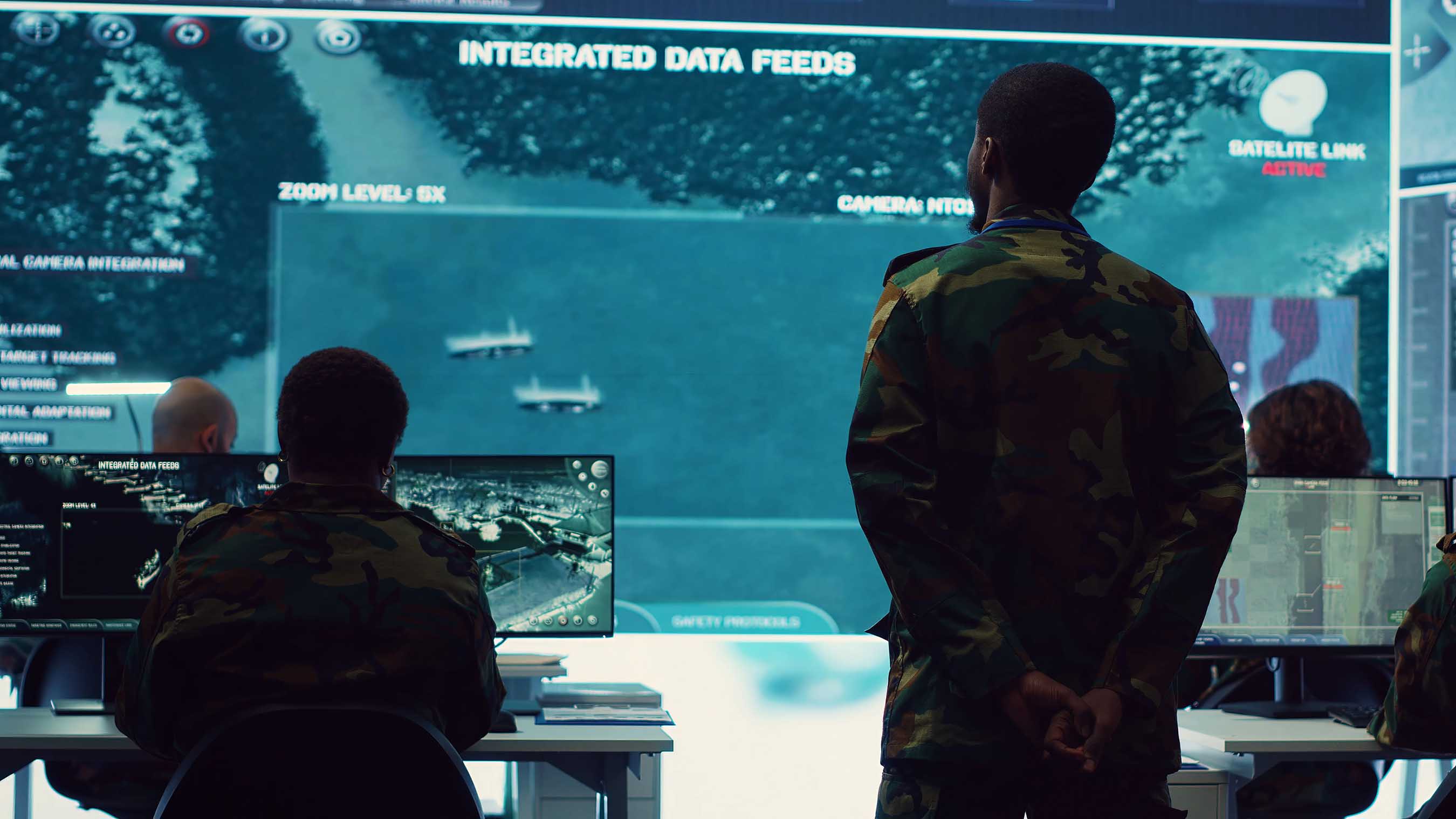
Command Center
Real-Time Field Intelligence
Live video feeds, telemetry, and central monitoring for multi-operator teams.
Blog

7 Best Healthcare MedTech Smart Glasses for Global Buyers
Healthcare MedTech Smart Glasses are moving from experimental demonstrations into operating rooms, ambulances, laboratories, and remote-care settings. Their value is practical: a surgeon can view patient data without turning away, while a paramedic can share live images with a specialist. Yet the technology remains uneven. Battery life, field of view, sterilization, privacy, and clinical workflow still decide whether a device helps or distracts.
Industry evidence supports cautious optimism. Grand View Research reports strong expansion in the global smart-glasses market, driven by enterprise and healthcare adoption. MarketsandMarkets also identifies hands-free collaboration, augmented instructions, and remote assistance as major growth factors. The World Health Organization’s Global Strategy on Digital Health 2020–2025 adds an important condition: digital tools should improve access, quality, safety, and equity. More devices do not automatically create better medicine.
Walter Greenleaf, a Stanford-affiliated neuroscientist and digital-health researcher, often emphasizes a central principle: “Clinical evidence must lead the technology.” That idea should guide every product comparison. The best Healthcare MedTech Smart Glasses are not necessarily the brightest or most advanced. They are the ones that reduce cognitive load, fit existing protocols, and protect patient information. Sometimes, less is better. This article reviews seven leading options for global buyers, comparing display quality, comfort, software integration, support, and medical-use readiness. The evidence is promising, but not perfect. Buyers should still demand independent validation, transparent data policies, and real-world trials before making expensive commitments.
Read more »
 By:Evelyn
- October 17, 2026

How to Choose a Defense Command Center Platform in 2026?
Choosing a Defense Command Center Platform in 2026 will require more than comparing dashboards, licenses, or artificial intelligence claims. Defense organizations need a system that connects sensors, communications, incident workflows, and human decisions under pressure. A commander may need one reliable view while teams investigate a disrupted network, a false alarm, or a supply-chain warning. The platform must support secure collaboration without creating another isolated data silo.
Recent industry research shows why this decision matters. IBM’s Cost of a Data Breach Report 2024 reported an average global breach cost of $4.88 million. Verizon’s 2025 Data Breach Investigations Report found ransomware appeared in 44% of analyzed breaches. Its findings also showed that third-party involvement had doubled to 30%. These figures cover broad organizations, not only defense agencies. Still, they expose practical weaknesses in fragmented monitoring and slow response. NIST Cybersecurity Framework 2.0 also emphasizes governance, identification, protection, detection, response, and recovery. A capable platform should support these outcomes, not merely display alerts.
The 2026 evaluation should examine interoperability, zero-trust alignment, auditability, resilience, deployment options, and operator workload. Ask how quickly an analyst can trace an event from a map to its original telemetry. Test whether the system remains useful during degraded connectivity. Review data ownership, retention, and supplier support. No platform is perfect. Some impressive demonstrations fail during noisy, low-bandwidth operations. Independent testing, realistic exercises, and feedback from experienced users should guide the final decision. The right choice is not the platform with the most features. It is the one that helps authorized teams make timely, defensible decisions when conditions become uncertain.
Read more »
 By:Amelia
- October 12, 2026
Top 10 Tactical Defense AR Headset Types for Global Buyers
Choosing the right Tactical Defense AR Headset requires more than comparing screen resolution or battery claims. Global buyers must examine ergonomics, communication reliability, privacy controls, and local compliance requirements. A headset used during disaster training may need different features from one supporting industrial inspection or emergency coordination.
This guide introduces ten headset types for professional and defensive applications. It considers optical clarity, low-light visibility, weight distribution, microphone performance, environmental sealing, and secure device management. Details matter. A bright display can still fail in direct sunlight. A lightweight frame may become uncomfortable after several hours. Battery life also depends on temperature, network activity, and display brightness.
The evaluation reflects practical procurement concerns rather than marketing language. Buyers should request independent test reports, warranty terms, software-update policies, and clear support arrangements. Relevant safety standards, radio regulations, data-protection rules, and import requirements must be checked in each destination market. No single category fits every organization. Some specifications appear impressive but remain difficult to verify in real conditions. That limitation deserves attention. The ten types therefore provide a structured comparison, not an absolute ranking. Each option should be tested with representative users, protective equipment, lighting conditions, and realistic communication tasks before purchase. A careful trial may reveal small issues, such as pressure around the temples or delayed voice prompts, that brochures rarely mention. Reliable decisions come from measurable performance, documented experience, and responsible deployment.
Read more »
By:Evelyn
- October 7, 2026
2026 Top DroneEye AR Piloting System Buying Guide
Choosing an augmented-reality flight interface is not simply a matter of selecting the newest headset. The 2026 DroneEye AR Piloting System buying guide examines how display clarity, control response, comfort, and reliability affect real-world use. A sharp image matters, but so does readability under bright daylight. A responsive control layout can reduce hesitation during a careful maneuver. Small details often decide the experience.
This guide focuses on practical evaluation rather than promotional claims. We consider field of view, visual latency, battery duration, connectivity, audio feedback, and compatibility with supported aircraft. We also examine weight distribution, adjustable straps, lens comfort, and controller access during a twenty-minute session. These details become obvious when the headset feels warm, the sun reflects across the display, or gloves reduce button accuracy. Independent measurements and manufacturer documentation should support every major specification.
Still, no buying guide can predict every pilot’s needs. Personal eyesight, flying environment, technical confidence, and regional requirements all influence the final choice. That limitation deserves attention. Product updates may change performance after publication, while advertised battery figures often reflect controlled conditions. Buyers should verify current specifications, software support, warranty terms, and responsible-use requirements before purchase. Look beyond the launch video. A reliable DroneEye AR Piloting System should offer clear information, stable operation, and practical support over time. The best option may not be the most expensive model. It is the one that remains understandable, comfortable, and dependable during ordinary sessions.
Read more »
 By:Clara
- October 2, 2026
2026 Best RealEye AI Telepresence Robots for Buyers
Choosing a telepresence robot in 2026 means looking beyond a polished product photo. Buyers need to know how a device performs in the places where people will actually use it: a busy reception area, a long corridor, or a meeting room with uneven lighting. RealEye AI Telepresence is a useful starting point for comparing options, but the right choice depends on the job, the environment, and the people operating the robot.
Small details matter. A clear display, responsive controls, dependable connectivity, and a stable base can shape the daily experience. So can setup time. A robot that looks capable on a specification sheet may still be awkward to steer around chairs or position beside a visitor. Those practical differences deserve attention, even when they are not the most exciting features.
This guide helps buyers assess leading options without treating every advertised feature as a proven advantage. It considers navigation, camera and audio quality, battery life, remote operation, accessibility, support, and total ownership costs. Where possible, compare manufacturer specifications with demonstrations and independent customer feedback. Ask vendors how the robot handles network interruptions, routine maintenance, and software updates. Check whether its controls suit your staff and whether its size fits your actual routes.
There is no universal best model. A school, clinic, office, and visitor center may need different capabilities. Some compromises are hard to spot until a trial. That is worth remembering. Use the comparisons ahead to build a shortlist, then test the strongest candidates in your own space before making a purchase.
Read more »
By:Evelyn
- September 27, 2026

2026 Top Types of Secure Extended Reality Software
Extended reality is moving beyond demonstrations and gaming rooms. It now supports design reviews, medical training, industrial maintenance, and remote collaboration. That growth creates a difficult question: which platforms can protect users, devices, identities, and spatial data at the same time?
This guide examines the 2026 top types of Secure Extended Reality Software. It considers secure XR browsers, identity management tools, device control platforms, encrypted collaboration systems, and spatial privacy solutions. Each category addresses a visible risk. A headset may record voices, eye movements, room layouts, and hand gestures. A weak permission setting can expose more than expected. Small details matter. For example, an administrator should know which application accessed a warehouse scan, when it happened, and why.
Security technologist Bruce Schneier wrote, “Security is a process, not a product.” His warning fits extended reality especially well. Software updates, access reviews, employee training, and incident testing must continue after deployment. Trust cannot rest on a polished interface.
The market remains imperfect. Some vendors promise privacy without explaining retention periods. Others provide strong encryption but weak account recovery. This comparison looks beyond feature lists. It considers practical controls, independent testing, usability, vendor transparency, and compliance readiness. Readers should still verify current certifications and regional requirements before making a purchase. No single platform removes every risk. That uncomfortable fact deserves attention.
Read more »
By:Amelia
- September 22, 2026
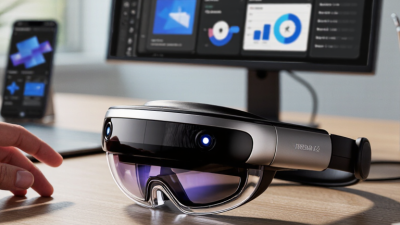
7 Tips for Buying ThirdEye X2 MR Glasses?
Buying the ThirdEye X2 MR Glasses deserves more than a quick comparison of prices. The right choice depends on your work, comfort needs, software environment, and expectations. Mixed reality can look impressive in a product video. Daily use may feel different.
These seven tips focus on practical buying decisions. They cover display clarity, field of view, tracking performance, battery life, fit, compatibility, and long-term support. You should check the latest specifications from ThirdEye and confirm details with an authorized seller. Independent reviews can reveal useful issues, such as nose pressure, limited app support, or awkward controls. Still, every review reflects one person’s experience.
Try the glasses if possible.
A short demonstration can expose problems that specifications hide. Test them with your intended applications, lighting conditions, and smartphone or computer. Consider how the headset feels after thirty minutes, not only after five. Also examine the warranty, return period, replacement parts, and software update policy. These details can affect the real cost.
No device is perfect. I would not treat impressive features as proof of suitability. A professional user may value remote assistance, while a casual buyer may prefer simple setup and comfort. The best decision comes from matching the product with a clear use case. Before spending money, compare current evidence and question assumptions. That approach can help you decide whether the ThirdEye X2 MR Glasses fit your needs or merely look appealing on paper.
Read more »
By:Amelia
- September 17, 2026
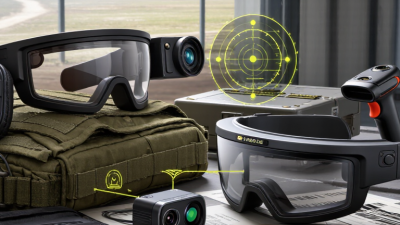
What Are the Best Military Smart Glasses from China?
Choosing the best Military Smart Glasses from China requires more than comparing screen brightness or futuristic designs. The right evaluation begins with mission fit, user safety, optical clarity, battery endurance, and data protection. A border patrol team may value thermal imaging and low-light visibility. A maintenance crew may need hands-free instructions, barcode scanning, and a comfortable frame. These needs are different.
Steve Mann, a pioneer of wearable computing, defined the field this way: “Wearable computing is the study or practice of inventing, designing, building, or using miniature body-borne computational and sensory devices.” His view remains useful because smart glasses must work as body-worn tools, not small tablets placed near the eyes. Weight, heat, balance, and control methods matter during long shifts.
Chinese manufacturers now offer products with monocular displays, rugged housings, voice control, cameras, and industrial connectivity. However, the phrase “best” can become misleading. Public specifications may omit repair costs, software support, cybersecurity testing, or performance in rain and dust. A bright display may still fail under harsh sunlight. A powerful camera may drain its battery before a patrol ends. No ranking is flawless.
This guide compares leading options through practical evidence. It considers comfort after extended use, field visibility, communication reliability, privacy safeguards, certification claims, and supplier support. Readers should also verify local procurement rules and data-handling requirements. The strongest Military Smart Glasses are not necessarily the most advanced. They are the ones that remain dependable when gloves, noise, weather, and human fatigue enter the picture.
Read more »
By:Evelyn
- September 17, 2026

China Top 10 MIDAS AR Display Mask Suppliers?
China’s AR hardware supply chain is entering a demanding phase. The question is no longer simple production capacity. It is optical precision.
A MIDAS AR Display Mask transfers microscopic patterns onto glass, silicon, or waveguide-related substrates. Small defects can create visible haze, color shifts, or uneven brightness. These details matter inside a lightweight headset. They also matter during high-volume qualification.
SEMI’s World Fab Forecast highlights continued investment in advanced semiconductor and display manufacturing across China. Its photomask market analysis also emphasizes mask complexity, defect control, and regional supply resilience. Yole Group’s display research identifies augmented reality as a technically challenging growth area, especially for waveguides and microdisplays. Omdia reports similarly point toward stronger demand for compact, high-resolution display components. Forecasts vary. That is important.
As former ASML CEO Peter Wennink said, “Without masks, there is no chip.” The principle applies here, although AR display masks face different optical requirements. Mask suppliers must manage critical-dimension uniformity, overlay accuracy, substrate flatness, and inspection sensitivity. These are not marketing details.
This China Top 10 MIDAS AR Display Mask Suppliers guide compares manufacturers through practical criteria. It considers production scale, technology capability, customer qualification, quality systems, and disclosed delivery experience. Public information remains uneven. Some companies publish detailed specifications, while others reveal very little. Therefore, the ranking should be treated as a research starting point, not a final verdict.
The strongest supplier may not be the largest one. A smaller specialist could deliver cleaner edges, faster engineering feedback, or better support for custom AR designs. That possibility deserves attention.
Read more »
By:Amelia
- September 17, 2026